Overview
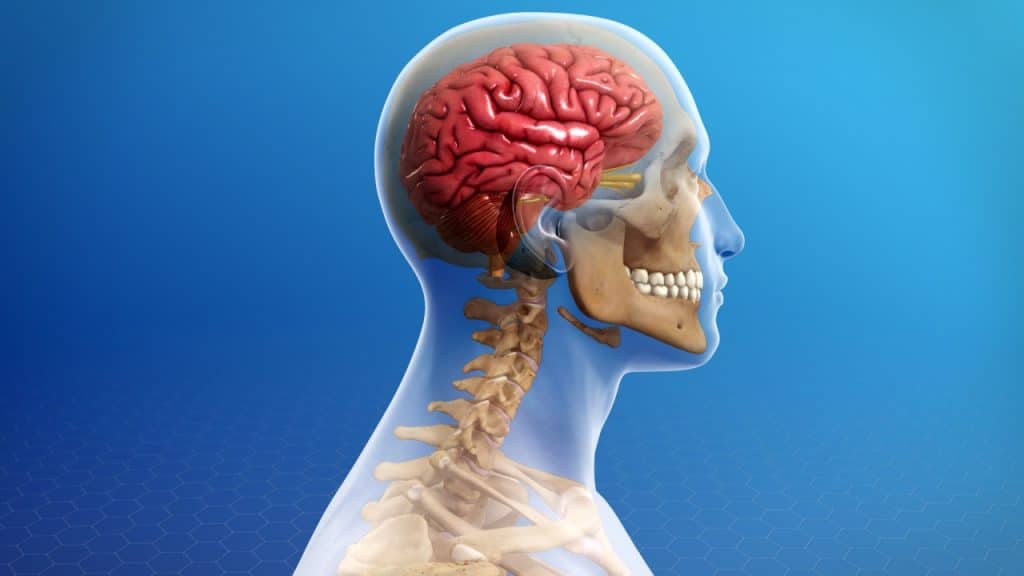
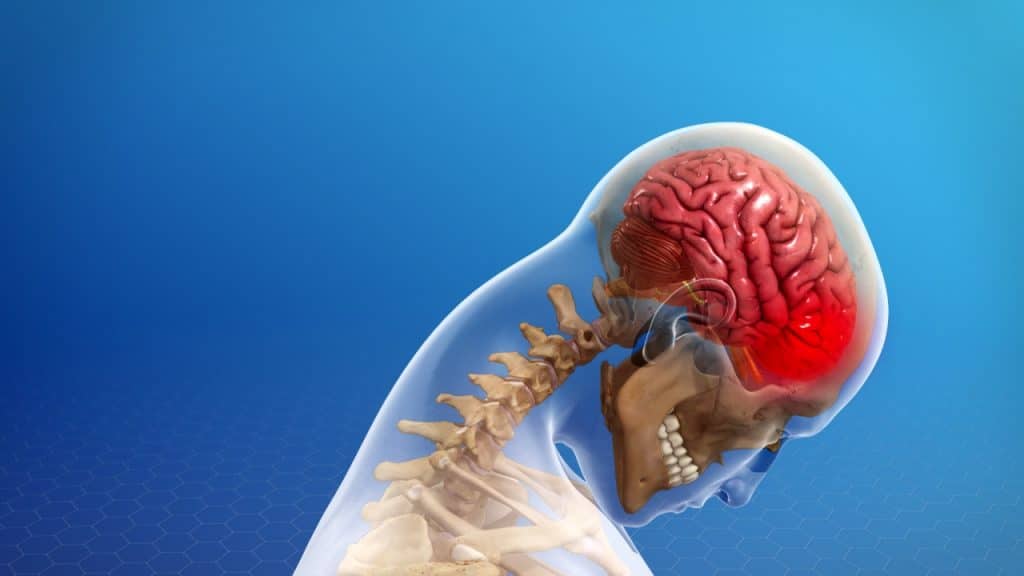
Whiplash is medically known as cervical acceleration-deceleration syndrome. It is a common neck injury. Ιt occurs when the neck and head are suddenly forced forward and then backward, putting the cervical spine through lightning-quick motions and extreme stresses. This can injure the vertebrae and the supporting ligaments and muscles in the neck. Whiplash can be caused by various high-impact events, but it is most commonly caused by car accidents where the person has been rear-ended.
Anatomy (Cervical Spine)
The cervical spine consists of seven vertebrae, which are the smallest and uppermost in location within the spinal column and supported by strong ligaments and several muscles. The cervical vertebrae connect the neck to the thoracic spine (the upper back). The cervical spine performs several crucial roles, including:
1. Supporting the head and its movements.
Together, the vertebrae support the head and its movements, including rotational, forward/backward and side bending motions.
2. Protecting the spinal cord and spinal nerves.
The cervical vertebrae protect the spinal cord, a bundle of nerves connected to the brain. The spinal cord travels through a large central canal or passage, called the spinal canal, and relays messages from the brain to the rest of the body. Openings or holes to each side of the canal, called the neural foramen (intervertebral foramen – foramen between the two adjacent vertebrae) provide pathways for the nerve roots that travel from the spine down to the shoulders and arms.
3. Facilitating flow of blood to the brain.
Vertebral openings (vertebral foramen) in the cervical spine provide a passage for vertebral arteries to pass and ensure proper blood flow to the brain.
Anatomy (Intervertebral Discs)
The intervertebral discs are shock absorbers that are located between the bones of the spine, called vertebrae (hence the name intervertebral). They are designed to help the back stay flexible while resisting forces and to allow bending, flexion and twisting of the spine. Each disc has a thick outer layer, known as annulus fibrosus, that surrounds the soft gel-like center, known as nucleus pulposus. A herniated disc occurs when the jelly-like material inside the disc nucleus herniates or leaks out of the disc, and presses on an adjacent nerve root.
Anatomy (Facet Joints)
The facet joints or zygapophyseal joints are a set of joints between the articular processes of two adjacent vertebrae. They are covered with cartilage and are surrounded by a lubricating capsule that enables the vertebrae to bend and twist. Each capsule has a rich supply of tiny nociceptive nerve fibers and implicates this structure as a potential source of pain. Similar to other joints in the body, the facet joints are vulnerable to inflammation and degeneration. The facet joints in the cervical spine are prone to injury due to the weight-bearing function they perform while supporting the head. The most common cause of trauma to facet joints is whiplash, resulting in pain shortly after the injury.
Causes
Whiplash is commonly caused by car accidents where the person has been rear-ended. Other potential whiplash causes, while comparatively rare, can include contact sports such as football, bungee jumping, rollercoaster rides, falls while skiing and other high-impact activities where extreme acceleration-deceleration forces might be applied to the cervical spine.
Symptoms
Whiplash symptoms may start immediately after the accident, or in some cases can take a few hours or days to appear. A whiplash injury usually heals within 3 months, but sometimes symptoms can become chronic and last much longer. The long-term prognosis for whiplash patients can vary widely and usually correlates to the severity of initial symptoms.
Symptoms (Neck Pain)
The most common symptom of whiplash is neck pain. The pain could range anywhere from mild to severe. It might be located in the neck region, or it could also radiate down the shoulders into the arm and/or hand. Mostly, neck pain from whiplash is the result of ligament sprains or muscle strains, but it can also be caused by injuries to the cervical facet joints and/ or bones and by injuries to intervertebral discs and nerves.
Symptoms (Shoulder and/or Upper Back Pain)
If the neck’s soft tissues, such as muscles or ligaments, are torn or strained during whiplash, then sometimes that pain can also be referred to other soft tissues in the upper back and shoulders. Pain in the shoulder and/or between the shoulder blades, especially by irritation of the lower cervical motion segments, is also common.
Symptoms (Neck Stiffness -Reduced Range of Motion)
Reduced neck mobility, such as inability to bend and twist the neck normally, is caused mainly by the neck pain and the neck muscle tightening. It could also be caused by a mechanical problem, such as injury of the facet joints.
Symptoms (Cervicogenic Headache)
Cervicogenic headache is a distinct type of headache that occurs when pain is referred from a specific source in the neck up to the head. This is characterized by a dull, non-throbbing pain that radiates from the neck to back of the head. The pain may spread along the scalp and affect the forehead, temple, and area around the eye and/or ear.
Cervicogenic headache is caused due to an underlying joint, disc, muscle, or nerve disorder in the neck. The upper cervical facet joints relating to vertebrae C1-C3 are most commonly involved in cervicogenic headache pain.
Whiplash injury is a common cause of cervicogenic headache. Cervicogenic headache originating from whiplash may resolve in a few days or last for years.
Symptoms (Cervical Radiculopathy)
Cervical radiculopathy is a disease involving dysfunction of one or more nerve roots in the cervical spine that typically manifests as pain radiating from the neck into the distribution of the affected nerve root. It can be accompanied by sensory, motor, or reflex disturbances.
Any condition that somehow compresses or irritates a cervical nerve root can cause cervical radiculopathy. It most often results from degenerative disease in the cervical spine, but it can also occur due to an acute injury, such as whiplash.
Other Symptoms
Whiplash-related dizziness or blurring of vision may be felt in some cases. A person might become more irritable, anxious, or even depressed. Some people also experience a ringing in the ears, known as tinnitus, or memory and concentration problems. A person might find it difficult to fall asleep or stay asleep. Lack of energy (fatigue) could be related to sleeping problems, depression, post-traumatic stress and pain.
Treatment
Treatment options for whiplash may include rest, heat therapy, analgesic/anti-inflammatory medications, muscle relaxants, manual and physical therapy. Painful tense muscles can be relieved by combining the above treatments with infiltration of the shoulder/neck muscles (trigger point infiltration).
Facet joint infiltrations or facet joint blocks may be administered not only to diagnose facet joint pain but also to treat it. If the patient shows a positive response to the facet joint blocks after having failed nonoperative care, the next treatment option is often radiofrequency denervation or rhizotomy.
Treatment for cervicogenic headache is mainly conservative with rest, heat therapy, analgesic/anti-inflammatory medications, muscle relaxants, manual and physical therapy. Moreover, a transcutaneous electrical nerve stimulation (TENS) may be administered. This stimulates the sensory nerves, creating a tingling sensation in the area and thereby reducing the feeling of pain.
The cervical radiculopathy can usually be treated successfully without surgery with a combination of pain management techniques, physical therapy and therapeutic spinal injections.
Finally, psychotherapy can be useful, if for any reason the patient develops a psychological condition in the aftermath of a whiplash, such as depression or post-traumatic stress.
Reference
- Kraemer J., Hasenbring M., Kraemer R., Taub E., Theodoridis T., Wilke H.J.: Intervertebral Disc Diseases: Causes, Diagnosis, Treatment and Prophylaxis. Thieme 2009.