Overview
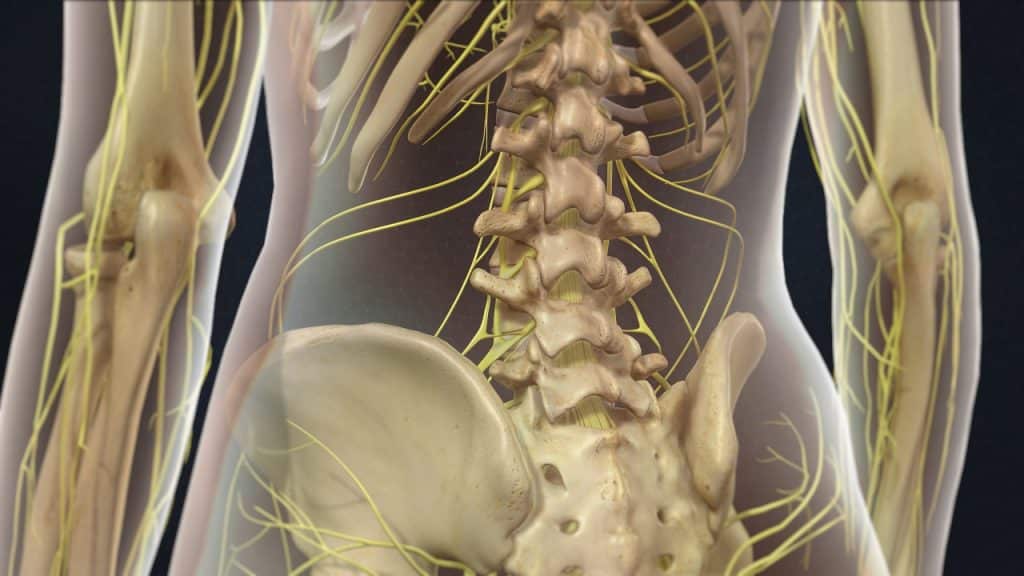
The lumbar spine or low back is a complex entity of interconnecting bones (vertebrae), mobile joints, nerves, ligaments, and muscles all working together to provide support, stability and flexibility, especially on extending, bending and rotation. Injury to any of these structures in the lumbar spine can lead to low back pain. A lot of times the pain is triggered by more than one structure, making the source difficult to identify.
Chronic low back pain is a chronic pain syndrome in the lower back region lasting for at least 3 months. It represents the second leading cause of disability worldwide being a major welfare and economic problem.
Lumbago is the general term referring to low back pain, and the two terms are often used interchangeably.
Anatomy (Lumbar Anatomy)
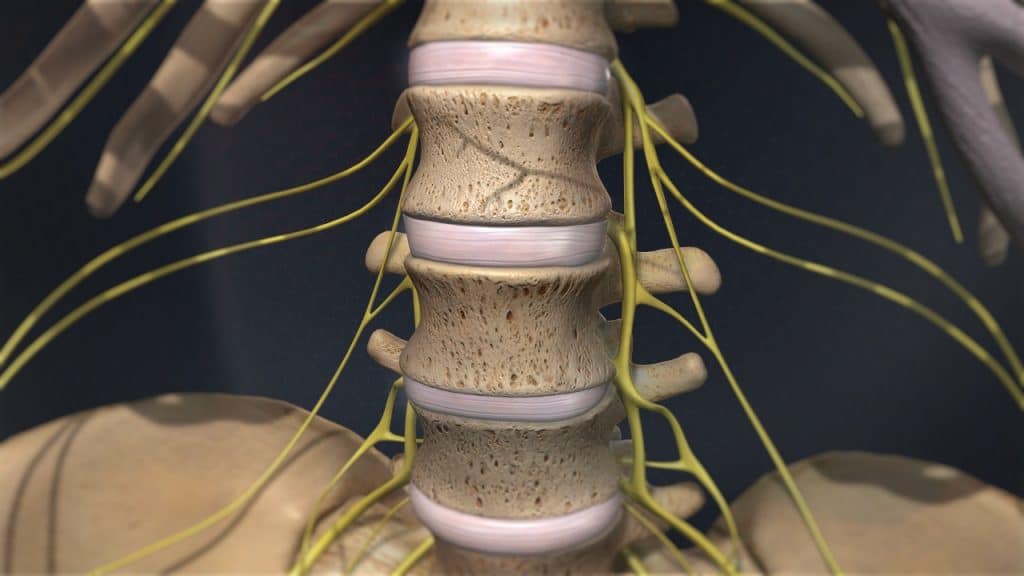
The lumbar spine consists of five vertebrae which connect the sacrum (triangular bone at the bottom of the spine) to the thoracic spine (the upper back). All five vertebrae are numbered. The L1, the first lumbar vertebra, is closest to the thoracic spine. The L5, the lowest lumbar vertebra is closest to the sacrum. The L stands for lumbar.
Anatomy (Intervertebral Discs)
The intervertebral discs are shock absorbers that are located between the bones of the spine, called vertebrae (hence the name intervertebral). They are designed to help the back stay flexible while resisting forces and to allow bending, flexion and twisting of the spine. A healthy, well-hydrated disc contains a great amount of fluid in its centre, known as the nucleus pulposus, which provides cushioning and flexibility to the spine.
Anatomy (Facet Joints)
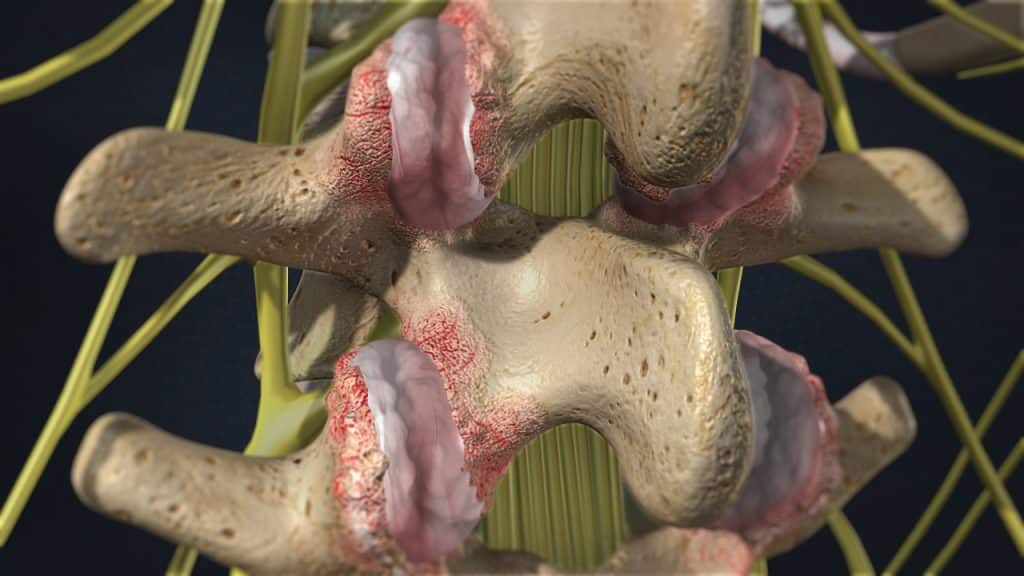
The facet joints or zygapophyseal joints are a set of joints between the articular processes of two adjacent vertebrae. They are covered with cartilage and are surrounded by a lubricating capsule that enables the vertebrae to bend and twist. Each capsule has a rich supply of tiny nociceptive nerve fibers and implicates this structure as a potential source of pain. Similar to other joints in the body, these joints are vulnerable to inflammation and degeneration.
Anatomy (Spinal Nerves)
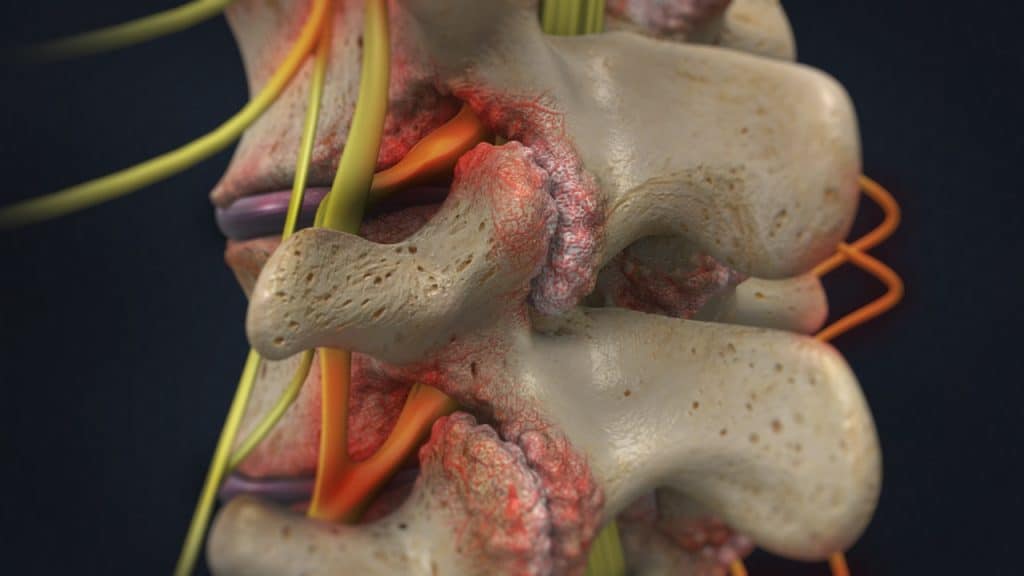
The entire length of the vertebral column has a large central canal or passage, called the spinal canal. In the cervical and thoracic regions of the spine, the spinal cord descends through this space. In the lumbar region of the spine, this space contains a bundle of nerve roots. Openings or holes to each side of the canal, called the neural foramen (intervertebral foramen – foramen between the two adjacent vertebrae) provide pathways for the nerve roots that travel from the spine to other parts of the body.
Common Causes (Muscle Strain and Ligament Sprain)
Lower back strains or sprains caused by damage to the muscles and ligaments are the most common sources of back pain. Strains occur when a muscle is stretched too far and tears, damaging the muscle itself. Sprains occur when over-stretching and tearing affects ligaments, which hold the bones together. A low back muscle strain and/or ligament sprain can happen suddenly such as by lifting a heavy object, or by twisting the spine while lifting. It can also develop slowly over time from repetitive movements such as poor posture.
Common Causes (Lumbar Herniated Disc)
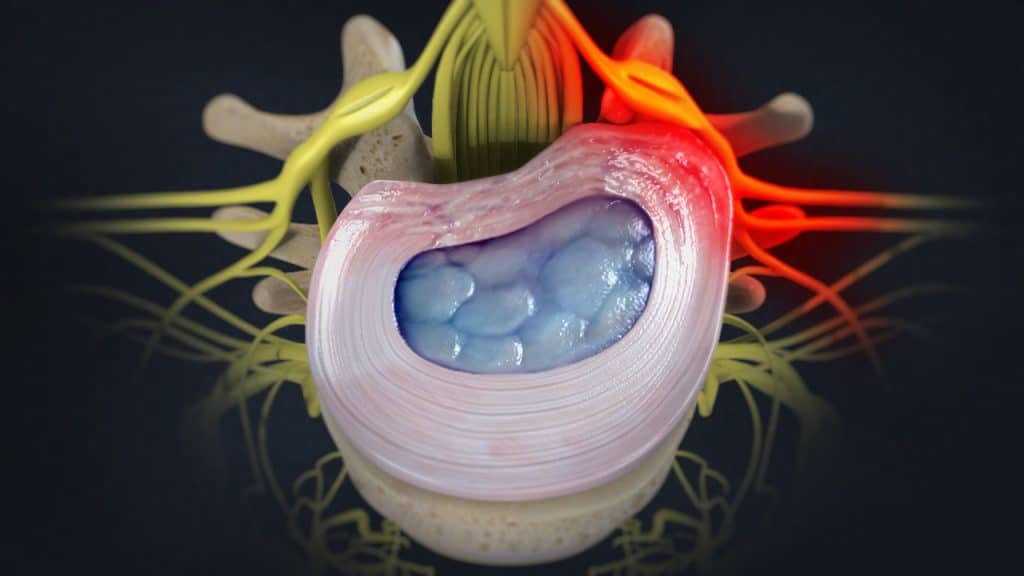
Lumbar disc herniation is a disease affecting the lower back. A herniated disc can allow disc material to press harmfully against nearby nerve roots, triggering back pain and possibly pain and nerve symptoms down the leg.
Common Causes (Degenerative Disc Disease)
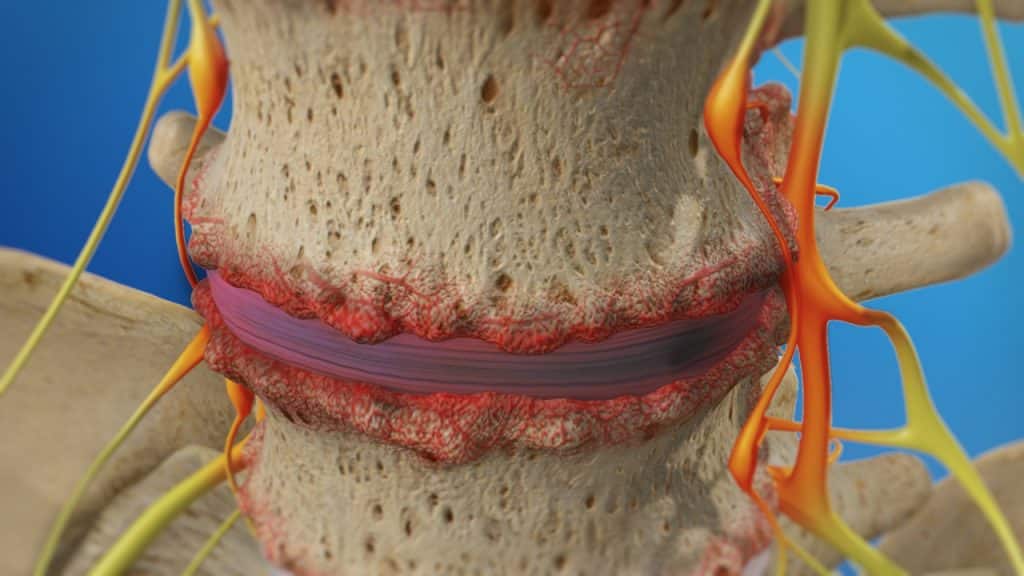
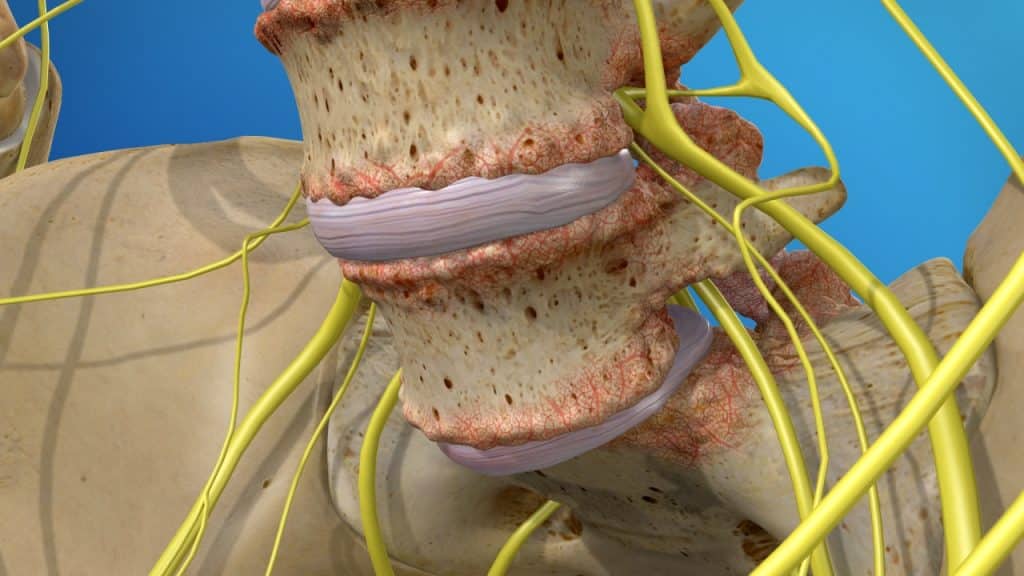
Another common cause of low back pain is a degenerative disc disease. Degenerative disc disease is an age-related condition that happens when one or more of the discs deteriorate or break down, allowing vertebral bones above and below the disc to shift out of position. The bones can touch, pinching nearby nerve roots, leading to pain and possibly accompanying neurological symptoms such as pins-and-needles tingling, numbness, and/or weakness in the areas served by the affected nerve roots.
Common Causes (Facet Joint Syndrome)
The facet joints or zygapophyseal joints are a set of joints between the articular processes of two adjacent vertebrae. They provide support, stability and mobility to the vertebrae, especially on extending, bending and rotation. Similar to other joints in the body, these joints are vulnerable to inflammation and degeneration.
Facet joint syndrome or facet joint disease is a pain arising from the intervertebral joint facets. Facet joint disorders are some of the most common of all the recurrent, disabling low back problems and can cause serious symptoms and disability for patients.
Common Causes (Spinal Stenosis)
Spinal stenosis is an abnormal narrowing of the spinal canal (bone channel occupied by the spinal nerves or the spinal cord) or of the neural foramen (bony opening where a nerve root exits the spinal canal). This can cause a compression of the nerves or the spinal cord. Spinal stenosis is often the result of degenerative conditions such as osteoarthritis and/or degenerative disc disease. The lumbar region is the part of the spine which is most commonly affected.
Common Causes (Spine Osteoarthritis)
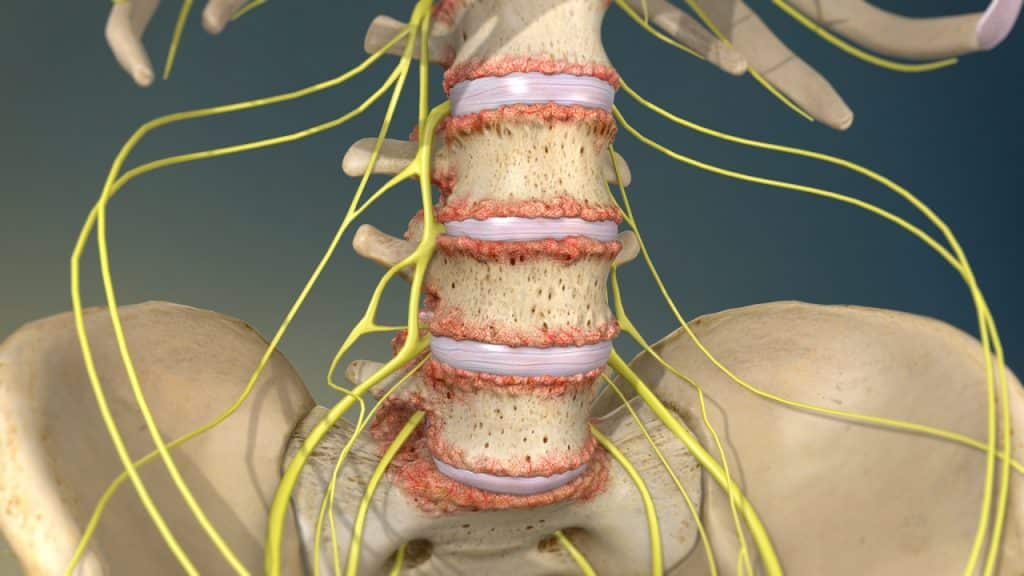
Osteoarthritis of the spine develops as a consequence of the natural aging process. It can affect the spine at any level, resulting in pain and discomfort that can grow worse over time.
Spondylosis is a broad term used to describe pain from degenerative conditions of the spine.
Degenerative arthritis is the most common cause of low back pain, especially in people over 50.
Common Causes (Spondylolisthesis)
Spondylolisthesis occurs when one vertebra slips over the adjacent one. It slides either forward (anterolisthesis) or backward (retrolisthesis). This may compress nearby nerve roots, leading to pain and possibly accompanying neurological symptoms.
Spondylolisthesis has a variety of causes. The most common ones are, secondary to a birth defect or fracture of the pars (between the facet joints) due to an overuse injury called spondylolysis. It can also be caused by mechanical instability of the facet joints as a result of degenerative conditions such as osteoarthritis and/or degenerative disc disease.
Common Causes (Sacroiliac Joint Dysfunction)
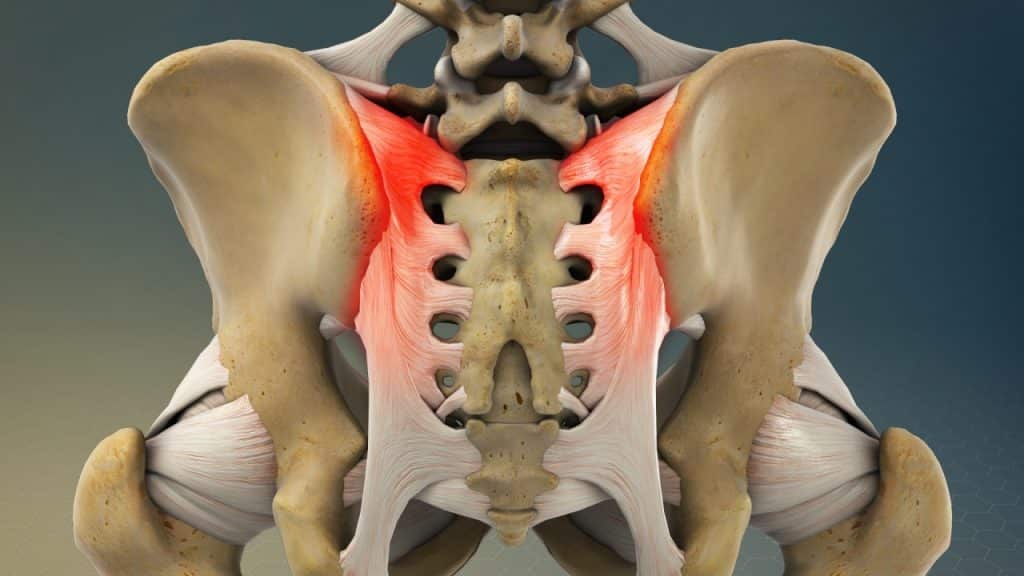
The sacroiliac joints are the joints between the sacrum (triangular bone at the bottom of the spine) and the iliac bones, which are connected by strong ligaments. They are essential for effectively transmitting the weight of most of the body to the pelvis and legs. Movement of the sacroiliac joints is restricted. Small movements at these joints help with shock absorption and forward/backward bending. Dysfunction in the sacroiliac joint is a common cause of low back and/or leg pain.
Symptoms
Depending on the pain generator, symptoms can be experienced in a variety of ways. Low back pain can be mild or so intense that the individual cannot follow everyday activities. It can occur suddenly or develop slowly and gradually aggravate over time.
Axial back pain represents the most common type of low back pain. It refers to pain that remains within the low back and is usually described as dull and aching. It can also be accompanied by muscle spasms and tightness in the low back, pelvis and hips.
In cases of spinal stenosis and lumbar herniated disc, an affected spinal nerve in the lower back may result in stinging, burning low back pain that radiates from the lower back into the buttocks and legs, possibly accompanied by tingling, numbness and/or weakness.
Low back pain usually gets worse after prolonged standing or sitting and is often relieved by changing positions.
A lot of individuals who experience low back pain report symptoms that are worse after waking up in the morning. These symptoms are relieved after getting up and moving around. Low back pain in the morning is as result of stiffness caused by long periods of rest, decreased blood flow during sleep, and possibly by the quality of mattress and pillows used.
Treatment
Treatment options for low back pain depend on the source of pain and severity of the injury.
Treatment for low back pain focuses on minimizing pain, stabilizing the spine, and improving or maintaining mobility. It may include rest, heat therapy, analgesic/anti-inflammatory medications, muscle relaxants, manual and physical therapy.
Τherapeutic spinal injections can also be applied to alleviate low back symptoms by reducing inflammation around a compressed nerve root or other specific painful areas such as facet and sacroiliac joints.
Surgery may be recommended if the conservative therapies do not alleviate pain and the quality of life is still affected or if a significant neurologic deficit such as progressive muscle weakness exists.
References
- Kraemer J., Hasenbring M., Kraemer R., Taub E., Theodoridis T., Wilke H.J.: Intervertebral Disc Diseases: Causes, Diagnosis, Treatment and Prophylaxis. Thieme 2009.
- Laplante B., DePalma M.: Spine Osteoarthritis. American Academy of Physical Medicine and Rehabilitation 2012; 4: 28-36.
- Kalichman L., Hunter D.: Lumbar Facet Joint Osteoarthritis: A Review. Semin. Arthritis Rheum 2007; 37(2): 69-80.
- McGrath. Clinical Considerations of Sacroiliac Joint Anatomy: A Review of Function, Motion and Pain. Journal of Osteopathic Medicine 2004; 7(1): 16-24.
- Hansen H., Helm S. Sacroiliac Joint Pain and Dysfunction. Current Opinion. Journal of Pain Physician 2003; 6 (2): 179-189.
- Rashbaum R., Ohnmeiss D., Lindley E., Kitchel S., Patel V.: Sacroiliac joint pain and its treatment. Narrative review. Journal of Clinical Spine Surgery 2016; 29 (2): 43-48.
- Kraemer J., Koester O.: MR Imaging of the Lumbar Spine. A Teaching Atlas. Thieme 2002.
- Kraemer R., Theodoridis T., Kraemer J.: Die lumbale Spinalkanalstenose. Springer 2011.